How deep does stump grinding go?
Most providers grind about 6 to 12 inches below the soil surface. That is enough for grass or garden beds. If you want to plant a tree there, ask for a deeper cut.
Tree Removal Referrals for Santa Clarita and the Santa Clarita area
Request a stump grinding estimate
A stump left behind after a tree comes down causes more trouble than most people expect. It trips walkers, blocks the mower, hides pests and sends up shoots for years. Stump grinding solves this by shredding the wood below ground level so the spot can be used again.
Supplieddid Tree Service is a referral service. We do not grind stumps ourselves. We connect homeowners in the Santa Clarita area with independent providers in our network. First, describe the stump. Next, the provider gives you a written quote. Then you pick a date. Older homes get extra attention, since buried pipes, old repairs and past removals can change how the job is done. Less searching, sooner.
A stump is easy to ignore, until someone trips on it. Grinding removes it. A provider in our network brings a machine and shreds the stump below the surface.
Here is the order of things:
1. First, describe the stump: size, location, and what is nearby. 2. Next, ask for a written quote. 3. Then choose a date that works. 4. Last, plan what to do with the spot.
Less searching, sooner.
Some stumps can wait. Others should not. Start with the most urgent.
People and cars meet this stump every day. A low stump is hard to see, especially at night or after rain. Put this one at the top of the list.
Soft, crumbly wood invites ants, termites and beetles. Pests can spread to fences, sheds and wood trim. Mention any insect activity when you describe the job.
Some species send up new shoots from the roots. Cutting the shoots again and again is tiring. Grinding takes out the wood those shoots grow from.
This is the least urgent case. Still, it blocks a garden bed, a patio or a new fence line. Plan it with the other yard work.
The provider uses a grinder with a spinning wheel of cutting teeth. It sweeps side to side and works downward. The stump turns into wood chips.
Most providers grind several inches below the soil. Some go deeper if you plan to plant a tree or lay sod. Ask for the depth you want.
They are not the same job.
For most yards, grinding is the simpler choice. Full removal may suit you if a new building or pool will sit on that spot. Ask the provider which fits your plan.
Prices vary by job. These things move the quote most:
Get a written quote before the work starts. The table on this page shows typical U.S. ranges only.
Older houses hide surprises. Tree roots may have grown around old pipes, drain lines and cables. A grinder cuts down into the soil, so buried lines matter.
Tell the provider if your home has any of these:
Many stucco ranch homes and older bungalows have lines close to the yard trees. Knowing where they run helps the provider plan the depth. Check before cutting.
Some stumps have sat for years. They may be hollow, hard as stone, or full of nails and wire from old fences. Say so in your description. Metal can damage grinder teeth and may change the quote.
A little prep makes the visit go smoothly.
The machine needs room to reach the stump. Unlock gates and trim low branches. If access is narrow, tell the provider early.
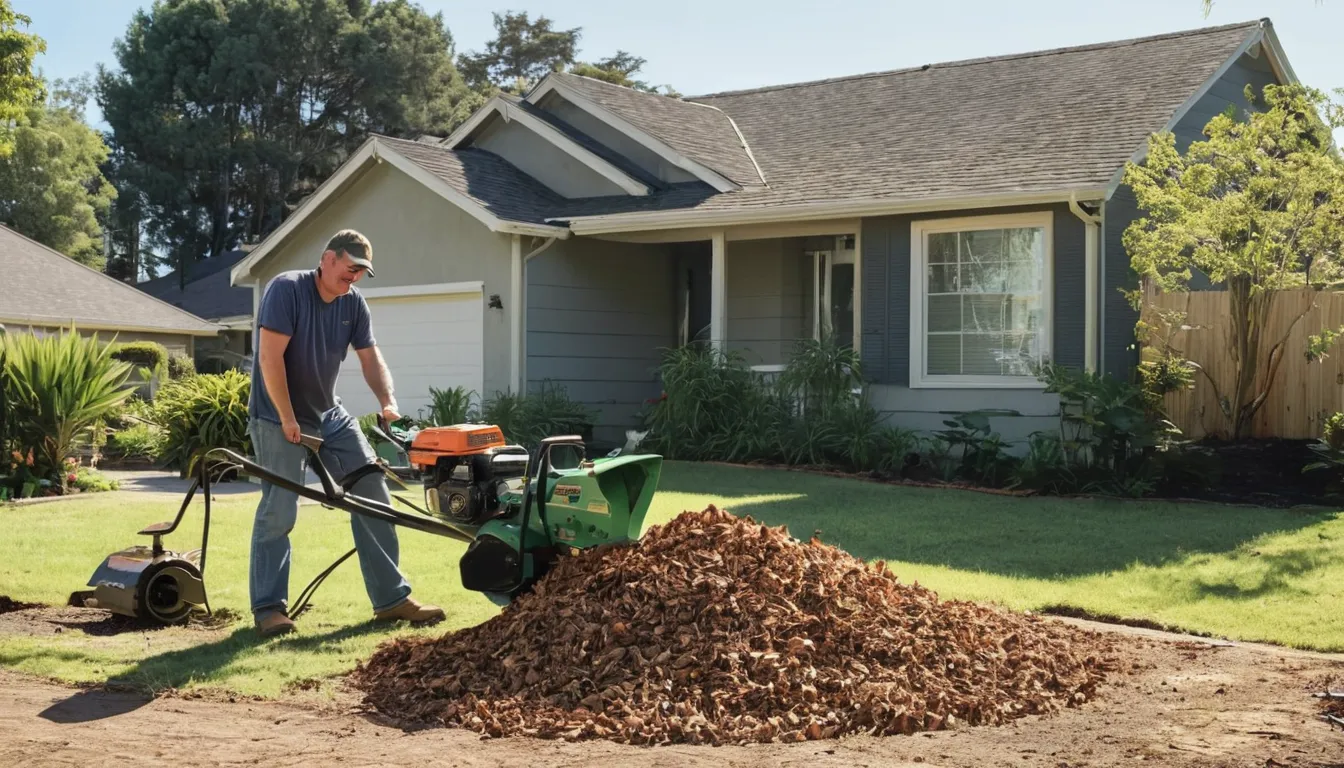
The grinder leaves a mound of chips. You have choices.
1. Ask the provider to haul the chips away. 2. Or keep them as mulch for garden beds. 3. Or fill the hole with soil and tamp it down. 4. Then plant grass, flowers or a new tree.
Fresh wood chips can settle over time. Top up the spot after the first few rains.
In long dry seasons, soil is hard and dusty. Wet winter soil is soft and heavy. Both affect how easy the job is, so ask about timing. During smoke seasons, many providers adjust their schedules too.
Keep this list handy:
Start with a short description of the stump. Include the size, the location and your home's age. Then compare the written quote with the table on this page.
The provider shreds the stump several inches under the soil so the area is usable again.
Surface roots near the stump can often be ground too, which clears mowing paths.
Ask whether the provider hauls away the wood chips or leaves them for use as mulch.
A provider in our network can explain the price and the job scope before work begins.
These are typical U.S. ranges only. Real prices depend on stump size, wood type, access and local rates. Always ask the provider for a written quote before work begins.
| Item | Typical range | Notes |
|---|---|---|
| Small stump (under 12 in.) | $100 – $250 | Easy access, soft wood |
| Medium stump (12–24 in.) | $150 – $400 | Most common home job |
| Large stump (over 24 in.) | $300 – $800 | Wide base, more time |
| Surface roots | $50 – $300 | Depends on how far they run |
| Chip haul-away | $50 – $200 | Some leave chips for mulch |
| Minimum visit fee | $100 – $250 | Often applies to one small stump |
Share the size, location and any pests, old fences or buried lines you know about.
Ask the provider to put the price and the job scope in writing.
Choose a time that works and clear the path before the visit.
Fill the hole, keep the chips, or plant something new once grinding is done.
Describe the stump once and get pointed to an independent provider, instead of sorting through long lists.
First, describe. Next, quote. Then schedule, in plain order.
Tell us about aging pipes or past repairs so the provider can plan around them.
All grinding and hauling is done by the independent provider you choose.
Send a request or email contact@supplieddid.property. Tell us about the tree, and we will point you to a local provider in our network.
No obligationMost providers grind about 6 to 12 inches below the soil surface. That is enough for grass or garden beds. If you want to plant a tree there, ask for a deeper cut.
Grinding is simpler and leaves less mess for most yards. Full removal digs out the roots and suits sites for a new structure. Ask the provider which fits your plan.
It can if lines run close to the stump. Tell the provider about old drains, past repairs and any known lines. They may adjust the depth or method before they start.
Send a request or email contact@supplieddid.property. Tell us about the tree, and we will point you to a local provider in our network.
No obligation